Awakening to locate your outdoor tents wall surfaces damp is an usual outdoor camping concern that influences everyone from backpackers at remote websites to families enjoying the great outdoors. This is a result of condensation that can lead to mildew if left untreated.
While this is an inevitable event, there are steps you can take to minimize it. By creating air movement and adhering to a few straightforward guidelines your canvas camping tent will certainly remain dry much longer.
1. Temperature level
Dampness is a typical camping tent challenge that influences all sorts of campers. It forms when warm air fulfills cooler fabric surface areas, transforming water vapor into droplets that accumulate and wet surfaces. The more extreme the temperature level adjustment and the greater indoor humidity levels, the much faster this procedure occurs.
Tent owners can proactively resolve condensation by complying with simple actions. Wiping fabrics on a regular basis and deploying targeted air movement with followers or an all-natural wind assists prevent wetness build-up prior to it leads to mold and mildew or mold.
Website choice also plays a vital role in condensation control. Establish your camping tent away from babbling creeks and waterholes, in addition to in open grassy locations. Keeping your camping tent closer to the ground and further from wet sources increases air flow and minimizes condensation potential.
2. Moisture
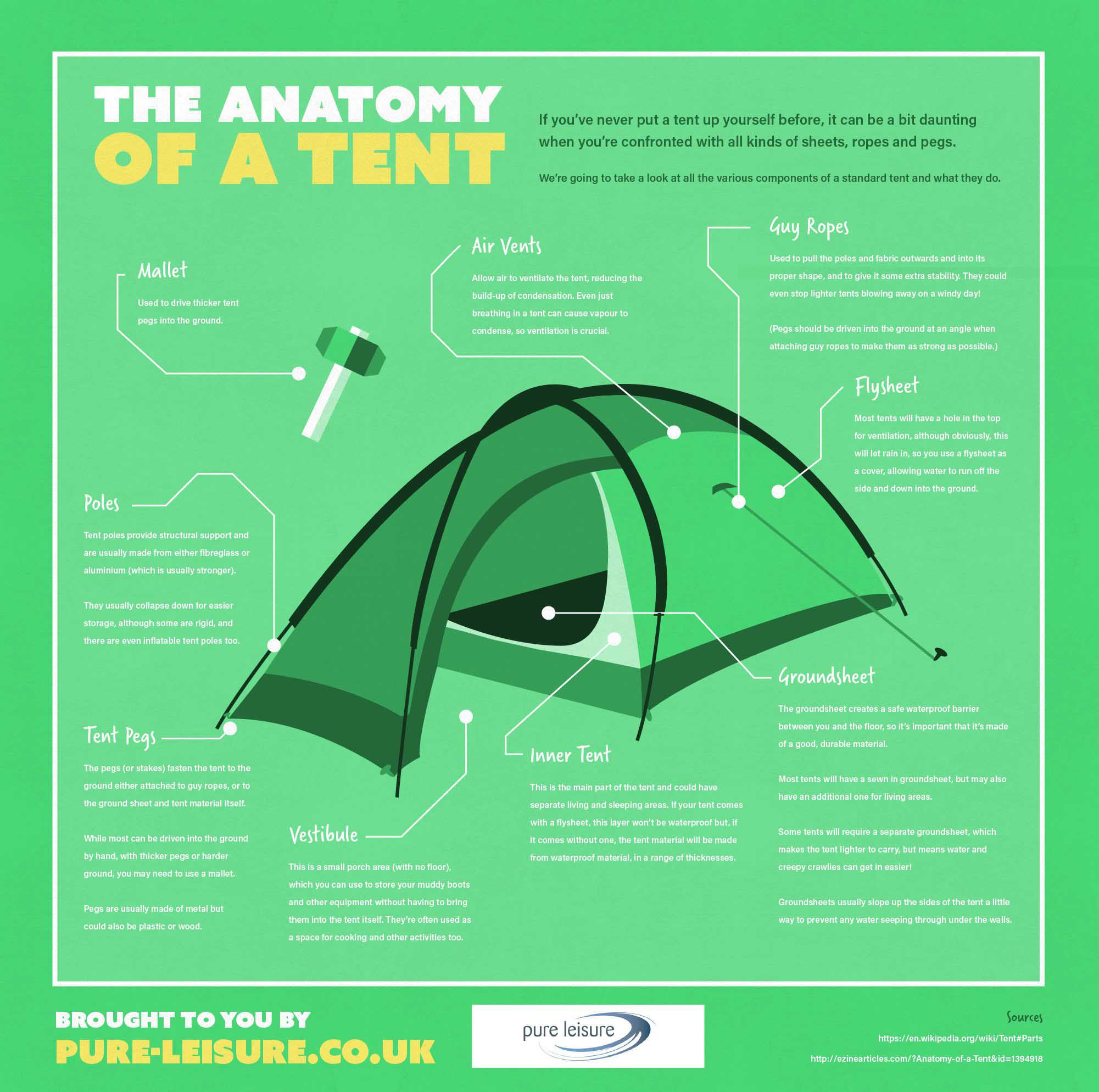
The cozy air inside a camping tent, tarp or swag can develop wetness that moves toward cooler textile surfaces. Water vapor become droplets as it cools and if caught in a tight sanctuary, this can develop rapidly. Owners' breathed out breath, wet garments and equipment, early-morning dew and ground dampness all contribute to raised humidity degrees in a tent. Selecting campsites with great water drainage and putting equipment on a dry ground tarp lessens the amount of vapor increasing via the tent floor. Opening up vents and windows when possible permits fresh air to enter and lower interior dampness.
Avoid cooking, consuming and drinking inside your camping tent during the night to limit the quantity of moisture in the air. Saving damp clothing, boots or various other equipment inside the vestibule increases interior moisture. Drying out garments and equipment prior to getting in the tent protects against condensation from forming while sleeping. Wetness is the gas that mold and mildew and mold feed on, so discovering to handle condensation is a vital ability for all campers.
3. Airflow
Condensation happens when warm air enters contact with chilly surfaces, such as a camping tent flooring or the underside of a rainfly. Using a groundsheet that supplies a reliable obstacle in between the tent and damp or cold ground can assist to restrict condensation.
Air flow additionally plays a large duty in decreasing condensation. Strategically opening the vents, doors, and windows of a tent allows for air circulation that carries moisture-laden air away from your shelter and brings in fresh, dry air. The addition of a mild breeze boosts this process, as it includes an extra pressure that helps to relocate the air around.
Camping tents and boodles with higher rooflines are much better at handling condensation because the air is warmer up there and can not come into straight contact with the canvas or rainfly. Choosing a breathable material that resists condensation is very important too.
4. Products
The material utilized to make a tent has a considerable impact on its general performance. Canvas uses unmatched toughness and breathability, while polyester offers a light-weight, low-maintenance option that's optimal for mobile or budget-conscious glamping setups. A hybrid textile like polycotton uses an equilibrium promotional bag between the most effective qualities of both.
The sort of material you pick likewise relies on your climate and the problems you'll run into. For instance, cotton and polycotton do better in hot environments because they're breathable and control temperature level and condensation.